


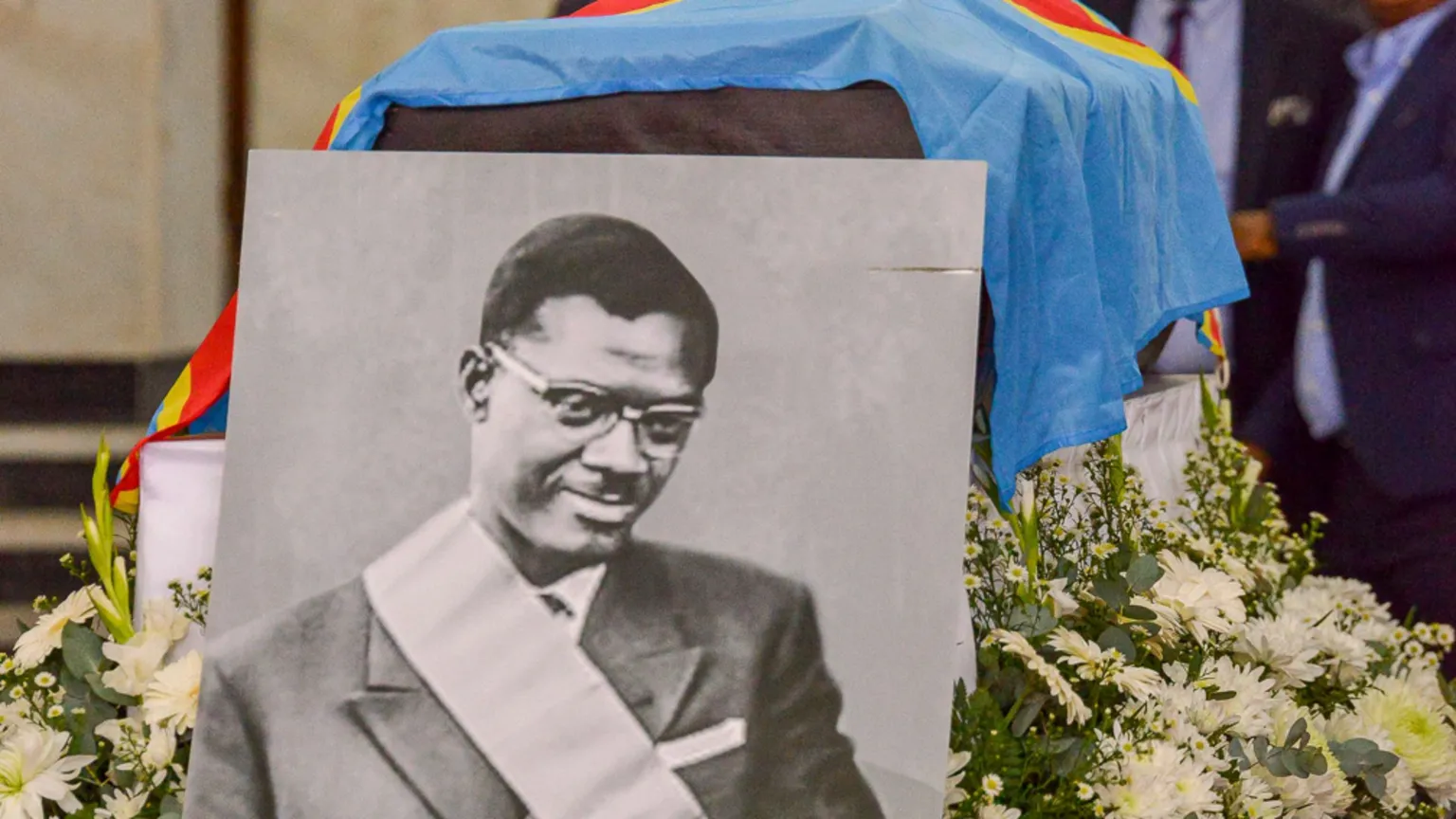
A Belgian court has ruled that former diplomat Etienne Davignon can be tried over his alleged role in the events that led to the 1961 killing of Patrice Lumumba, the Democratic Republic of Congo’s first prime minister. Davignon, now 93, was a junior diplomat at the time and is the only surviving Belgian among those accused in a criminal complaint filed by Lumumba’s family in 2011.
Prosecutors accuse Davignon of involvement in Lumumba’s unlawful detention and transfer, as well as in the humiliating and degrading treatment he suffered before his death. The Brussels court’s decision is a major moment in a case that has hung over Belgium’s colonial legacy for decades. The ruling can still be appealed, but it opens the door to the first criminal trial in Belgium directly tied to Lumumba’s assassination.
For Lumumba’s family, the decision is being seen as a long awaited step toward justice. His relatives have spent years pressing for legal accountability, arguing that Belgium must do more than acknowledge moral responsibility. One family member described the ruling as a sign that Belgium is finally being forced to confront a painful part of its past.
Lumumba remains one of the most important figures in African anti colonial history. He became Congo’s first prime minister after independence from Belgium in June 1960, but his time in office was brief. Seen as a threat by Belgian authorities and viewed with suspicion by Western powers during the Cold War, he was overthrown, captured, and killed in January 1961. He was executed alongside his allies Maurice Mpolo and Joseph Okito.
His death has long stood as one of the darkest symbols of colonial interference in post independence Africa. A Belgian parliamentary inquiry in 2001 concluded that Belgium bore moral responsibility, and the Belgian government later apologised to Lumumba’s family and to Congo. In 2022, Belgium also returned a tooth believed to be the last remaining part of Lumumba’s body, decades after his remains were destroyed.
Davignon has denied wrongdoing, and his legal team has argued that too much time has passed for the case to proceed. Even so, the court’s decision suggests that the age of the case does not erase its historical weight. If the ruling stands, the trial is expected to become one of the most closely watched legal reckonings with Europe’s colonial past.
More than sixty years after Lumumba’s killing, the case is no longer only about one man. It is also about history, memory, and whether a former colonial power is prepared to face its role in one of Africa’s most consequential political assassinations.
