


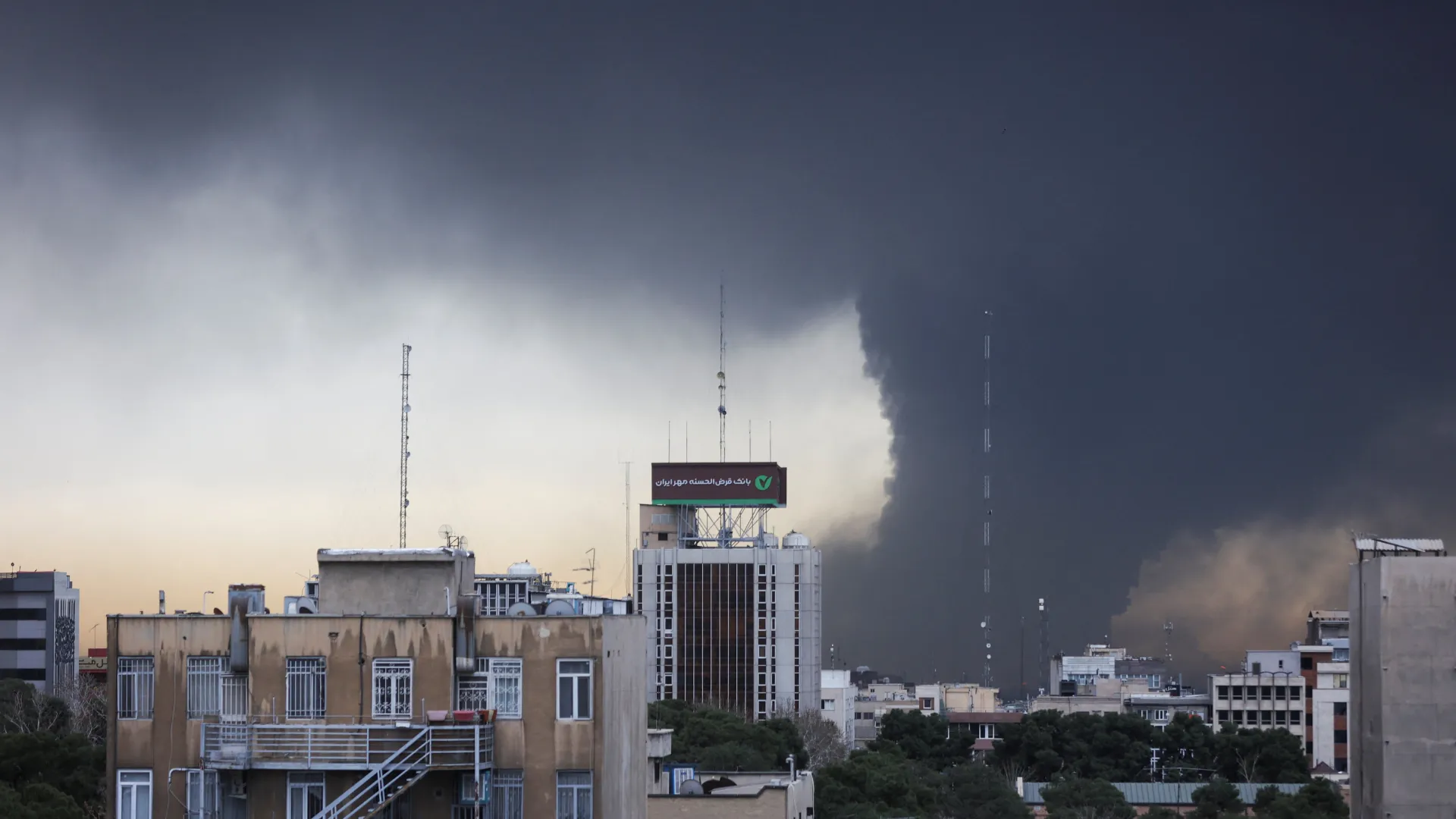
Iran has named Mojtaba Khamenei as its new supreme leader after the death of his father, Ayatollah Ali Khamenei, in the opening phase of the war, marking a major shift in the country’s leadership as fighting continues across the region. Reuters reported on March 8 that Iran’s Assembly of Experts selected Mojtaba, a hardline cleric and the late leader’s son, to take over as the country’s top authority.
The leadership change came as the conflict spilled further into the Gulf. In Saudi Arabia, two people were killed and 12 others injured after a projectile hit a residential area in Al Kharj city, according to Saudi Civil Defense. Reuters said the two victims were Indian and Bangladeshi nationals.
The source of the projectile was not officially confirmed by Saudi authorities, but the incident happened shortly after Iran’s Revolutionary Guards said they had targeted radar systems in several places, including Al Kharj. That timing has added to fears that the war is widening beyond Iran and Israel into neighboring Gulf states.
The appointment of Mojtaba Khamenei is likely to deepen uncertainty over Iran’s next political and military steps. Reuters has reported elsewhere that he later stayed out of public view during the war, with Iranian and foreign officials offering conflicting accounts about his condition and role, adding to the sense of instability at the top of the Iranian system.
Together, the new leadership in Tehran and the deadly strike in Saudi Arabia show how quickly the conflict has become both a domestic power struggle inside Iran and a broader regional crisis. This last point is an inference based on the leadership transition and the expanding cross border attacks.
