


Fresh tensions have emerged ahead of ceasefire talks between the United States and Iran in Pakistan, highlighting how fragile the path to peace remains after six weeks of war. Reuters reported that major gaps still separate the two sides, with Washington and Tehran entering the talks with low expectations.
One of the main sticking points is sanctions relief. Iran is demanding meaningful economic concessions, while the United States remains skeptical about how much ground it should give before broader security issues are resolved. Another major dispute centers on whether any deal should also include a ceasefire linked to Lebanon, an issue that has complicated the talks before they even began.
The Strait of Hormuz is also adding pressure to the negotiations. Reuters said the White House is doubtful about the prospects for fully reopening the vital shipping route, even as President Donald Trump said on April 11 that US forces were moving to clear the strait. That raises the stakes for the Pakistan talks because global energy markets are closely tied to what happens there.
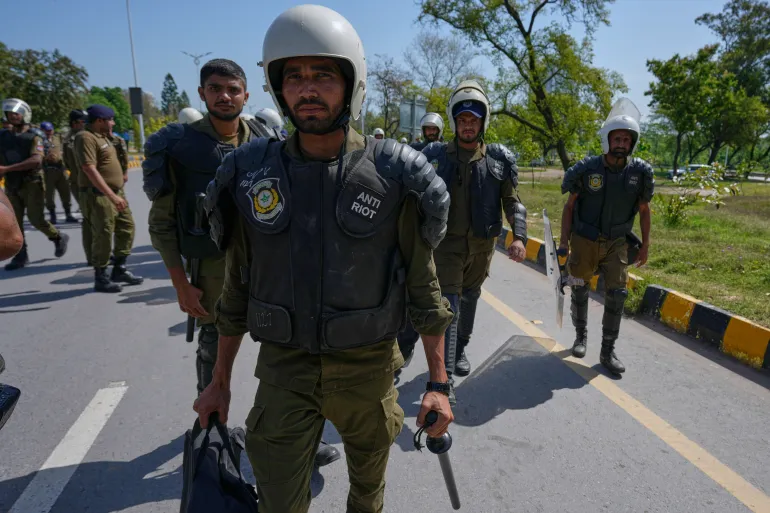
Despite the tensions, the talks did go ahead in Islamabad, with Pakistani sources telling Reuters that the mood in the room shifted repeatedly and that the temperature of the meeting went up and down. That suggests both sides are still testing whether a broader ceasefire deal is possible.
For now, the talks in Pakistan represent a rare diplomatic opening, but the early signs show that mistrust, conflicting demands, and regional spillover are still threatening any lasting breakthrough.
