


Ukraine has marked the 40th anniversary of the Chornobyl nuclear disaster under the shadow of war, as fears grow that Russia’s ongoing attacks could create new dangers around the site of the world’s worst nuclear accident. The April 26, 1986 explosion at reactor four spread radioactive material across Ukraine, Belarus, Russia and parts of Europe, forcing mass evacuations and leaving a legacy of illness, displacement and environmental damage.
Four decades later, Chornobyl is no longer only remembered as a Soviet era disaster. It has become a symbol of Ukraine’s vulnerability during Russia’s war, especially after Kyiv accused Moscow of flying drones and missiles near the plant and damaging the giant protective structure built over the destroyed reactor.
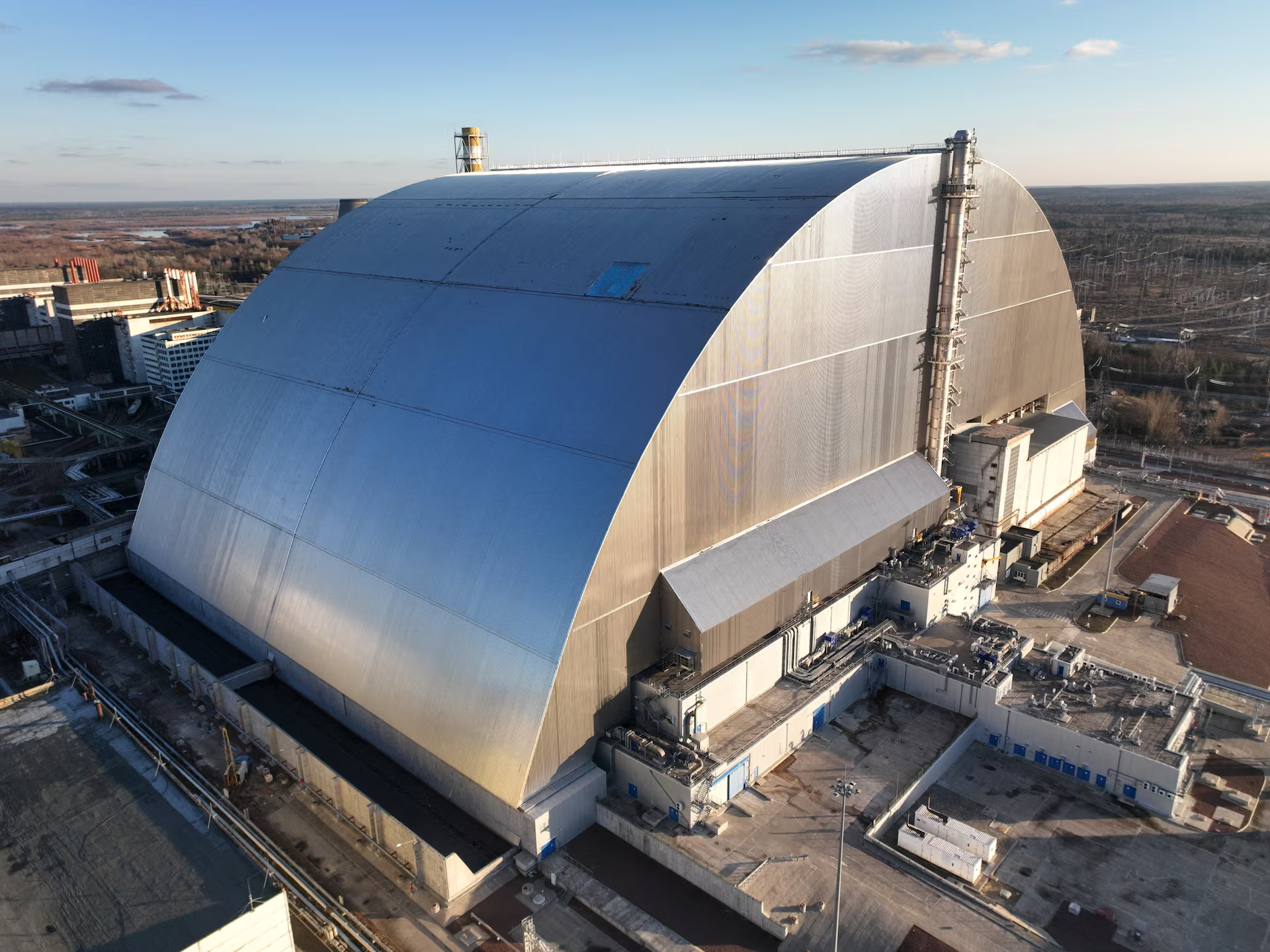
A major concern is the New Safe Confinement, the huge steel arch built to seal the remains of reactor four. Reuters reported that a Russian drone attack in February 2025 damaged parts of the shield, triggering a fire and leaving repairs still unfinished. Experts say the structure, which cost about €2 billion and was designed to last 100 years, now needs urgent repairs to avoid long term damage.
The repair bill is expected to be around €500 million, adding another burden to Ukraine as it continues defending itself in a long war. European and international nuclear officials have warned that protecting Chornobyl and other nuclear sites must remain a priority because damage to nuclear infrastructure can have consequences far beyond the battlefield.
The anniversary ceremonies brought Ukrainian President Volodymyr Zelenskiy and foreign leaders to the Chornobyl site, where they honored victims, first responders and cleanup workers who helped contain the original disaster. For many survivors, the anniversary is also a reminder of how Soviet authorities initially hid the danger, leaving workers and nearby communities exposed to radiation without proper warning.
War has made that memory even heavier. The Chornobyl Exclusion Zone, once slowly becoming a place of scientific study, controlled tourism and wildlife recovery, is now again linked to fear, military activity and emergency protection. Ukrainian air defense units have been deployed to protect the area, while scientists continue monitoring radiation, forest fires and possible contamination risks.
The danger is not limited to Chornobyl. Russian forces still occupy the Zaporizhzhia Nuclear Power Plant, Europe’s largest nuclear facility, which has suffered repeated blackouts since 2022. That has made nuclear safety one of the most serious concerns in the war and a recurring issue in international diplomacy.
Ukraine also depends heavily on nuclear energy, with nuclear power producing about 70% of the country’s electricity. That means the security of nuclear plants is not only an environmental issue, but also a national survival issue during wartime.
Forty years after Chornobyl became a warning about the dangers of nuclear failure, Ukraine is again asking the world to pay attention. The disaster site remains sealed, monitored and scarred, but war has brought back the fear that human decisions could once again turn nuclear infrastructure into a source of catastrophe.
Chornobyl’s lesson is clear: nuclear safety depends not only on technology, but also on peace, honesty and protection from conflict. As Ukraine marks 40 years since the disaster, the plant stands as both a memorial to the past and a warning about the risks still facing the country today.
