


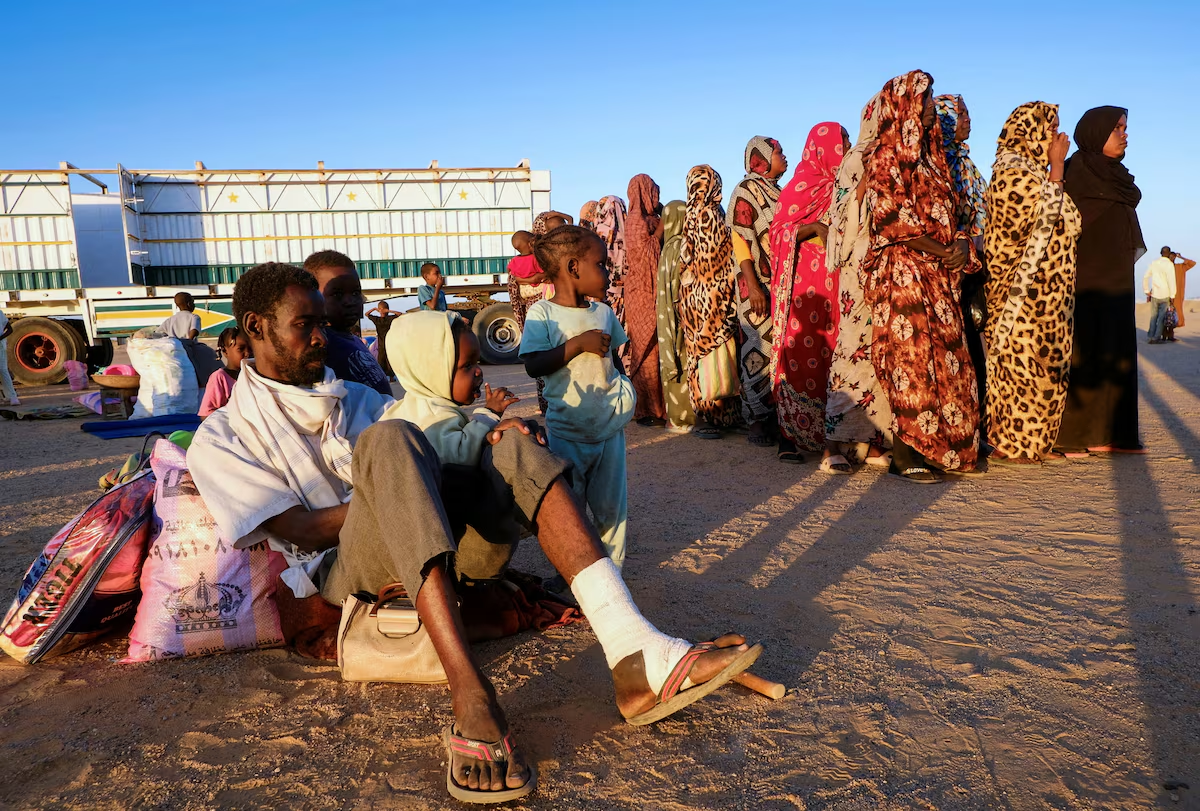
The United Nations refugee agency has warned that the Iran crisis is severely disrupting humanitarian aid deliveries, with supply chain costs rising sharply and refugee support operations coming under pressure. UNHCR said the cost of sending some aid to Sudan, now the world’s largest displacement crisis, has more than doubled since the conflict disrupted key shipping routes.
According to the agency, insecurity around Gulf shipping lanes, including the Strait of Hormuz, has forced aid shipments to use longer and more expensive routes. Supplies that previously moved through Dubai and the Gulf are now being diverted overland through Jordan and Oman, while sending goods around the Cape of Good Hope would add about 25 days to delivery times.
The financial impact is already significant. UNHCR said transport costs for moving relief items from Dubai to Sudan and Chad have risen from about $927,000 to $1.87 million. That means money that would normally support displaced families is being absorbed by shipping, fuel and insurance costs.
The disruption is not limited to Sudan. UNHCR’s global logistics hub in Dubai is also facing pressure on routes to Ethiopia, Congo and South Sudan, as fuel price increases, truck shortages, port congestion and higher insurance premiums make humanitarian delivery slower and more expensive.
Aid agencies have also warned that the crisis could worsen hunger. The Guardian reported that humanitarian groups are calling for a safe corridor through the Strait of Hormuz to protect the movement of food, medical supplies and other vital relief goods. The World Food Programme has warned that supply disruptions could push millions more people into food insecurity.
The warning comes as UNHCR faces a major funding gap. Its $8.5 billion global aid appeal is only 23% funded, making every extra dollar spent on transport a direct blow to field operations. Rising fuel and fertilizer costs are also driving up food prices, creating additional hardship for displaced people and host communities.
For refugees and displaced families, the crisis means aid could arrive later, cost more, or reach fewer people. UNHCR says the situation shows how conflict in one region can quickly affect vulnerable communities far beyond the battlefield, especially when global shipping lanes and energy prices are disrupted.
