


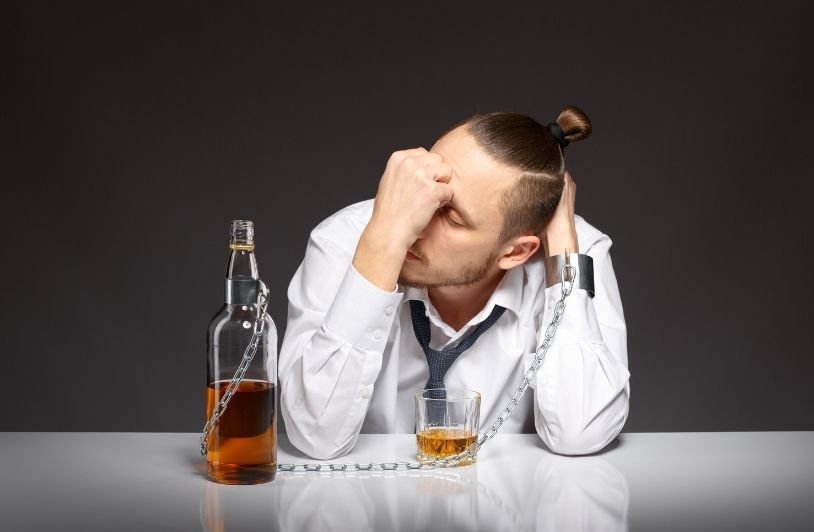
The liver is one of the most powerful organs in the body, but it’s one we also take for granted, particularly when it comes to alcohol. The liver filters toxins, supports our digestion and stores energy, as well as regulating many other processes in the body.
We all know that alcohol isn’t good for the liver and it’s fair to say we know that heavy drinking or regular alcohol consumption can cause lasting damage. But that will never happen to us, right? Liver damage only happens to those that end up in an alcohol dependence clinic and have a really heavy dependence on booze. Wrong.
Alcohol related liver damage can develop gradually and over time really have an impact on a person’s life, to the point of death in fact, so while it’s important to drink in moderation and live a healthy and balanced lifestyle, it’s also important to notice the early signs too.
Here are five signs that alcohol may be starting to affect your liver…
Persistent Fatigue and Low Energy
Feeling unusually tired or lacking energy can be one of the earliest signs that your liver is under pressure. When the liver is struggling to function efficiently, the body’s ability to process toxins and store energy becomes compromised. This can leave you feeling sluggish, weak, or unable to concentrate. Although fatigue has many possible causes, stress, poor sleep, low mood, or nutrition, it is worth paying attention to if it coincides with regular drinking or follows periods of heavier alcohol use.
Digestive Changes and Loss of Appetite
The liver plays a vital role in digestion, especially in producing bile, which helps your body break down fats. When alcohol begins to affect liver function, you may notice changes in your appetite or digestion. These can include:
- Nausea, especially after drinking
- A reduced desire to eat
- Bloating or discomfort after meals
- Unexplained weight loss
While these symptoms are common in various conditions, they can also be early indicators that your liver is struggling to cope with alcohol intake.
Abdominal Discomfort or Pain
Discomfort in the upper right side of the abdomen, where your liver is located, may be a sign of inflammation. This discomfort can feel like a dull ache, pressure, or sensitivity in that area. Sometimes it appears after drinking, but it can also be present at other times. If the liver becomes enlarged or irritated from repeated alcohol exposure, this may create sensations of tightness or swelling. Any persistent abdominal pain should be assessed by a healthcare professional to rule out more serious issues.
Skin and Eye Changes
One of the more noticeable signs of liver strain is jaundice, which causes the skin or the whites of the eyes to appear yellow. This happens when the liver is unable to process bilirubin, a waste product created when red blood cells break down. Jaundice is usually a sign of more significant liver impairment and should be taken seriously.
Other skin changes can also signal liver stress, including:
- Itching without a clear cause
- Spider-like blood vessels on the skin
- Easy bruising or prolonged bleeding from small cuts
These symptoms can arise when the liver’s ability to regulate blood components is compromised.
Changes in Urine or Stool Colour
Finally, because the liver plays a key role in processing waste products, changes in urine and stool colour can indicate something is amiss. Dark urine, even when hydrated, or pale, clay-coloured stools may suggest the liver is struggling to process bile effectively. While temporary changes can occur due to diet, medications, or short-term illness, persistent differences are worth discussing with a healthcare professional.
In fact, if any of the above feel familiar to you, it’s worth seeking help from your doctor and exploring your relationship with alcohol to enable your liver and overall wellbeing to recover.
