


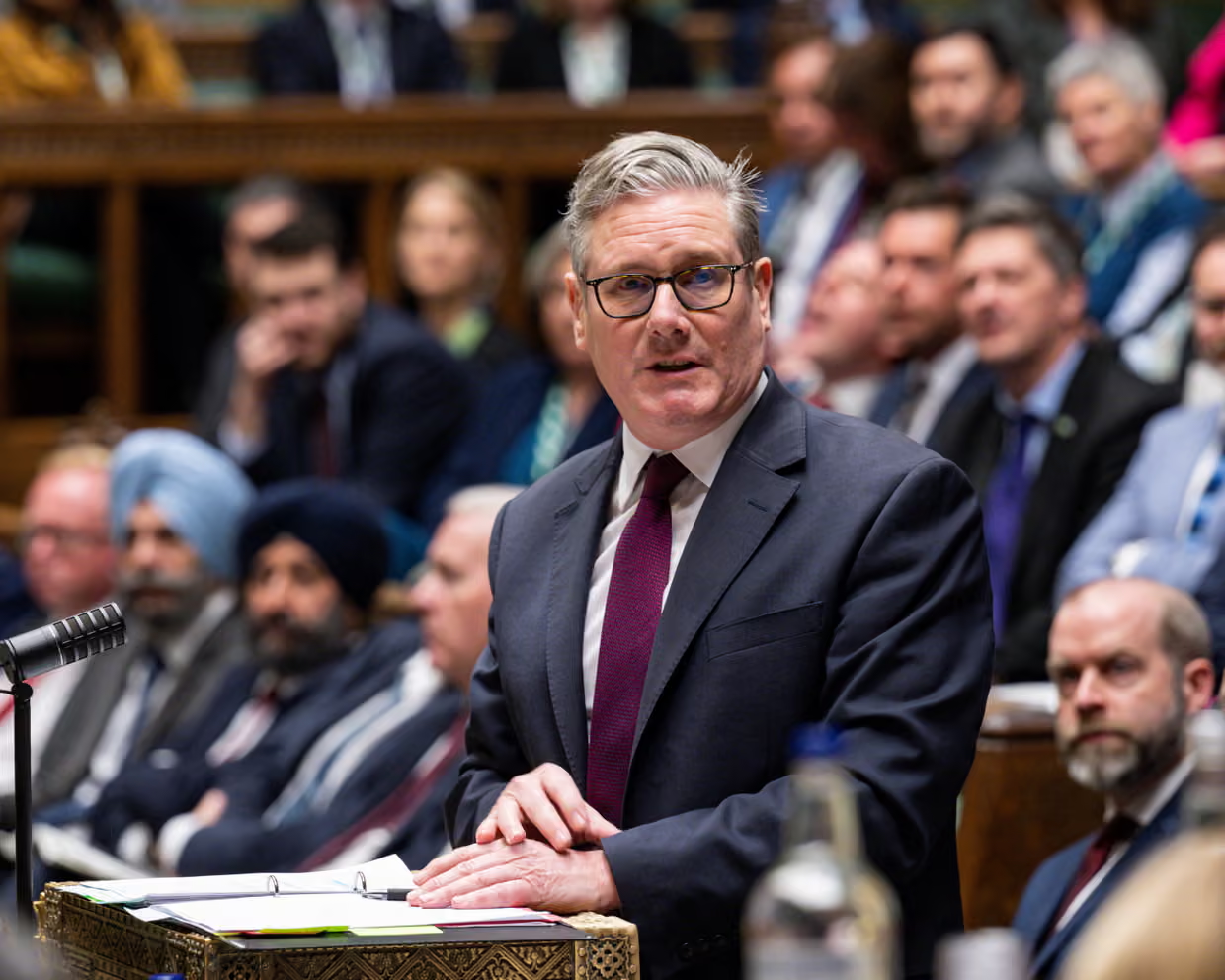
Keir Starmer is looking for a way to ease the political fallout from his government’s immigration plans after facing growing anger from Labour MPs and a high profile intervention from Angela Rayner.
The prime minister is now weighing possible exemptions that would soften one of the most controversial parts of the proposal, the move to make most migrants wait 10 years instead of five before qualifying for settled status in the UK. The rethink comes as Starmer tries to stop tensions inside Labour from getting worse.
One option under discussion is to shield large groups of people from the tougher rules. That could include public sector workers and migrants who are already close to reaching settled status. Ministers are still arguing over how broad those exemptions should be, though Downing Street made clear on Wednesday that the government will not exempt everyone who is already in the country, something Rayner and others had pushed for.
A spokesperson for the prime minister defended the direction of the policy, saying Britain had seen record immigration levels in the four years before the election and that Labour had promised a system that is fair and properly managed. They added that the government is reviewing feedback from the Home Office consultation and will respond in line with its values.
Home secretary Shabana Mahmood unveiled the proposals earlier this month as part of a wider push to cut migration. The package would make refugee status temporary rather than permanent and, in most cases, double the route to indefinite leave to remain from five years to 10.
Mahmood also announced a pilot scheme offering up to £40,000 to families whose asylum claims have failed if they agree to leave the UK voluntarily. She warned that those who refuse could be removed by force, even if that meant handcuffing children, a remark that sparked outrage among many Labour MPs.
A key point of controversy has been Mahmood’s insistence that the tougher settled status rules should apply retrospectively, including to hundreds of thousands of people who arrived during Boris Johnson’s time in office. In a speech two weeks ago, she argued that without action, around 350,000 low skilled workers and their dependants would qualify for settlement over the next five years, gaining access to welfare, free healthcare and social housing.
Mahmood has become the leading voice behind Labour’s harder line on immigration as the party tries to contain the growing threat from Nigel Farage’s Reform UK. But the move has deepened divisions inside Labour, with critics warning that the party also faces serious pressure from the left. Some MPs pointed to the Green party’s win in the Gorton and Denton by election as evidence that Labour cannot focus only on voters drifting right.
Opposition within the party has been significant. Around 100 Labour MPs signed a letter condemning the plans, arguing that public trust in the asylum system will not be rebuilt by threatening to deport refugees who have lived lawfully in Britain for 15 or 20 years. Sarah Owen, a leading figure in the centre left Tribune group, compared the language around forced removals to tactics associated with Donald Trump’s ICE operations in the United States.
Rayner added to the pressure in a speech on Tuesday evening, where she openly criticised the proposed changes to settled status. She said it was wrong to talk about people earning settlement while constantly shifting the rules, arguing that moving the goalposts goes against basic fairness and British values.
Despite the backlash, Downing Street insisted the plans are fair. Behind the scenes, though, officials are carefully reviewing consultation responses to decide how wide any exemptions should be.
The consultation also suggests a much more unequal path to settlement depending on income and work. People earning £125,140 for three years could qualify after only three years, while public sector workers could do so after five. By contrast, migrants who have claimed benefits for less than a year would face a 15 year wait, and those who have relied on benefits for more than a year could be forced to wait 20 years.
On Wednesday afternoon, Starmer met Black and minority ethnic Labour MPs in Downing Street after calls for urgent talks over the growing anger surrounding the policy. Justice secretary David Lammy also attended.
One MP described the mood before the meeting as deeply frustrated, saying many colleagues felt senior figures were not properly listening to concerns that had been raised both privately and publicly. Another said there was a growing feeling that the leadership was deaf not only to the substance of the criticism, but also to concerns about tone and framing. A different MP put it more simply, calling the policy poor from the very beginning.
