


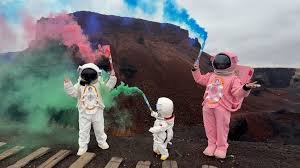
A tourist destination in northern China is gaining global attention for offering visitors a landscape that looks strikingly similar to the surface of Mars. The site, Wulanhada Volcano Geopark in Inner Mongolia, has become known for its dramatic volcanic terrain, wide open grasslands, and surreal red and black rock formations.
The geopark features a chain of more than 30 inactive volcanoes and is often described as a natural volcano museum because of its rare and well preserved geological features. Travel platforms describe it as one of Inner Mongolia’s standout attractions, while recent social media and news clips have helped push it further into the spotlight.
Part of the attraction comes from the experience itself. Visitors are drawn not only by the scenery, but also by the chance to take astronaut style photos in a landscape that feels otherworldly. That Mars like image has helped turn Wulanhada into a popular stop for domestic tourists looking for something beyond traditional city travel.
The geopark is located in Ulanqab in Inner Mongolia and covers more than 65 square kilometers, according to travel and destination sources. Officials and tourism platforms highlight its mix of volcanic cones, lava landforms, and crater views as key reasons for its growing appeal.
Its rise also reflects a wider trend in travel, where destinations with unusual natural scenery are becoming major attractions. In Wulanhada’s case, the appeal is simple: it offers travelers a chance to feel as if they have stepped onto another planet without ever leaving Earth. This final point is an inference based on how the site is being promoted and described across travel and media coverage.
