


The 2026 FIFA World Cup will begin on June 11 across the United States, Canada and Mexico. Here is the latest on the schedule, host cities and the new issues surrounding the tournament.
The countdown to World Cup 2026 is fully on. FIFA’s expanded 48 team tournament will begin on June 11, 2026 and run through July 19, 2026, with matches spread across 16 host cities in the United States, Canada and Mexico. It will be the first men’s World Cup staged by three countries and the first in the tournament’s history to feature 48 teams.
For the United States, the tournament is shaping up to be one of the biggest sporting events it has ever hosted. The U.S. will stage the largest share of matches, while Mexico opens the competition in Mexico City and the final is set for the New York New Jersey area. FIFA has already published the full match schedule and confirmed the tournament structure after the final draw.
But the football is only part of the story right now. In the past week, rights groups urged FIFA to make sure the 2026 World Cup remains safe, welcoming and inclusive, raising concerns about immigration rules, media access and protections for workers and local communities. FIFA’s human rights commitments are now getting fresh scrutiny as preparations enter the final stretch.
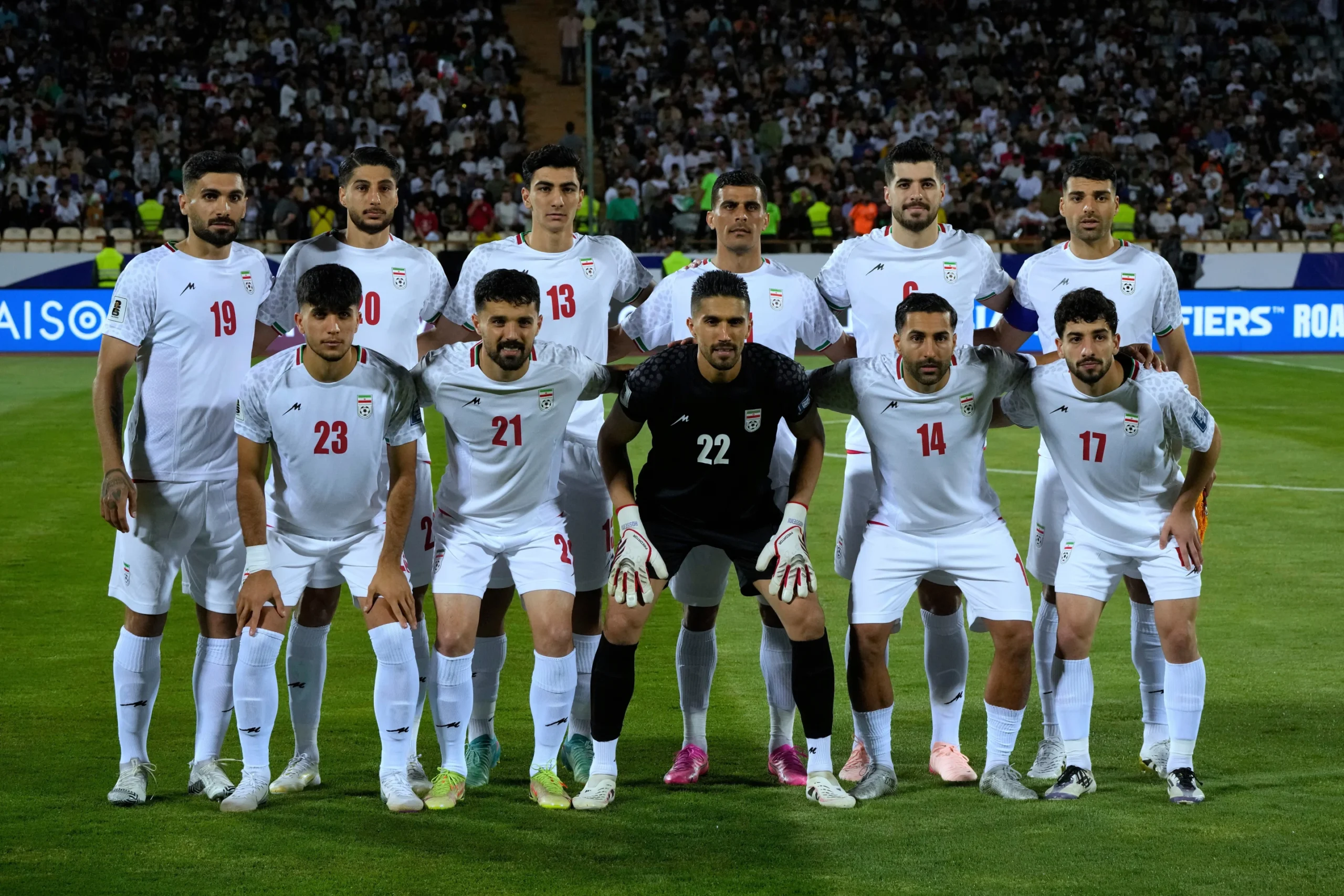
Another issue hanging over the tournament is Iran’s status. Reuters reported earlier this month that Iran had qualified and was scheduled to play its group stage matches in the United States, but fresh political tension has complicated the conversation. AP then reported that President Donald Trump publicly questioned whether it would be appropriate for Iran to attend, citing safety concerns, even after earlier assurances about participation.
Off the pitch, host city planning is still making news too. In Massachusetts, a dispute over World Cup related security funding in Foxborough was resolved only days ago, clearing the way for Gillette Stadium’s seven match hosting role to move ahead without local taxpayers carrying those upfront security costs. It was a reminder that, even this close to kickoff, some major logistics are still being settled.
Even with those concerns, the scale of the tournament is hard to overstate. World Cup 2026 is expected to bring huge crowds, global attention and one of the busiest football calendars North America has ever seen. The spotlight is already here. Now the pressure is on FIFA, host cities and national governments to make sure the event delivers for fans once the opening whistle blows on June 11.

