


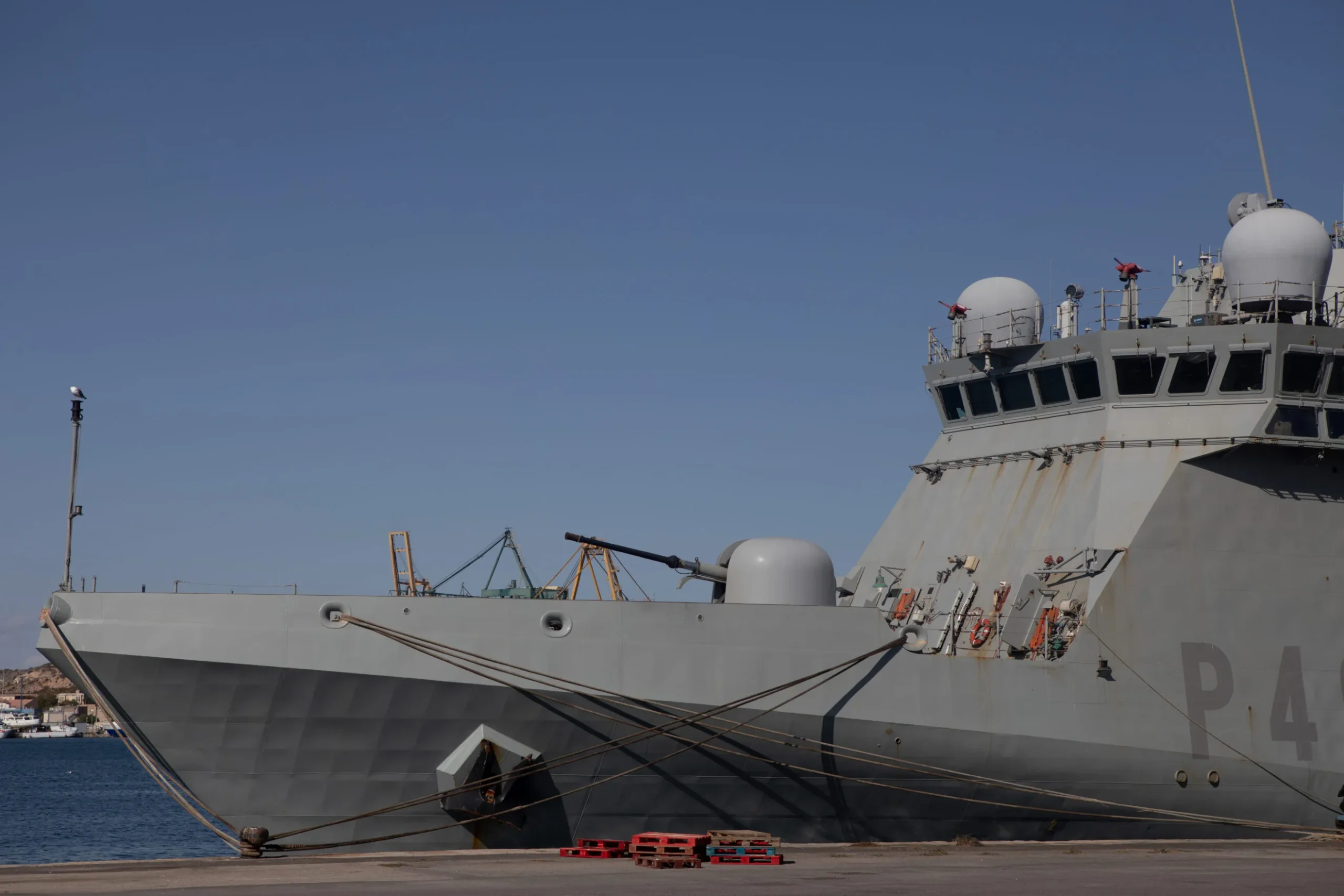
European Union leaders are preparing to support a stronger naval presence in the Middle East as the Iran conflict continues to disrupt key shipping routes. But the bloc is also drawing a clear line: any extra military assets must stay within the limits of existing EU missions, not become part of a new war footing.
The issue is expected to be discussed on Thursday in Brussels, where the leaders of all 27 EU member states will meet to shape their response to the growing crisis. According to a draft statement seen ahead of the summit, the EU plans to back the reinforcement of two of its maritime operations, Aspides and Atalanta, by sending more ships and resources into the region.
Even with that support, the language of the draft makes one thing clear. European leaders want those deployments to remain strictly tied to the missions’ original mandates. That means the vessels would continue operating under defensive and anti piracy roles rather than expanding into broader military involvement linked directly to the war with Iran.
Aspides was launched in 2024 to protect shipping in the Red Sea and the Gulf of Aden after repeated attacks by Houthi fighters on vessels using the Suez route. Atalanta, meanwhile, has long focused on piracy threats off the east coast of Africa and in parts of the Indian Ocean.
The debate comes as Washington presses its European allies to do more. President Donald Trump has called on partner countries to send frigates to help escort ships through the Strait of Hormuz, where the conflict has choked maritime traffic and sent energy prices sharply higher. The narrow passage remains one of the world’s most important oil and gas routes, linking Gulf exporters such as Saudi Arabia and Qatar to international markets.
Trump, in a post on Truth Social on Wednesday, lashed out at allies he sees as slow to respond and suggested countries that depend on the strait should take greater responsibility for securing it.
As EU leaders prepare for that discussion, another maritime concern is also raising alarm closer to home. Italy, Spain, Greece, Malta and Cyprus have written to EU officials warning about the Russian liquefied natural gas carrier Arctic Metagaz, which has reportedly been drifting in the Mediterranean since March 3.
The coastal states said the ship’s condition, along with the nature of its cargo, creates a serious and immediate risk of an environmental disaster in European waters. They are now urging the European Commission to help coordinate a faster and more effective response using both member states and existing EU emergency mechanisms.
Taken together, the two issues show how quickly Europe’s security concerns are spreading from the battlefield to the sea. For Brussels, the challenge now is to protect vital trade routes and prevent wider disruption without being pulled deeper into a conflict it is still trying to contain.
