


Britain is preparing to set out the principles that could determine which households qualify for extra help with energy bills, as the government weighs targeted support in response to rising costs linked to the conflict in the Middle East. Officials have signaled that any new assistance is likely to focus on the most vulnerable rather than broad based relief.
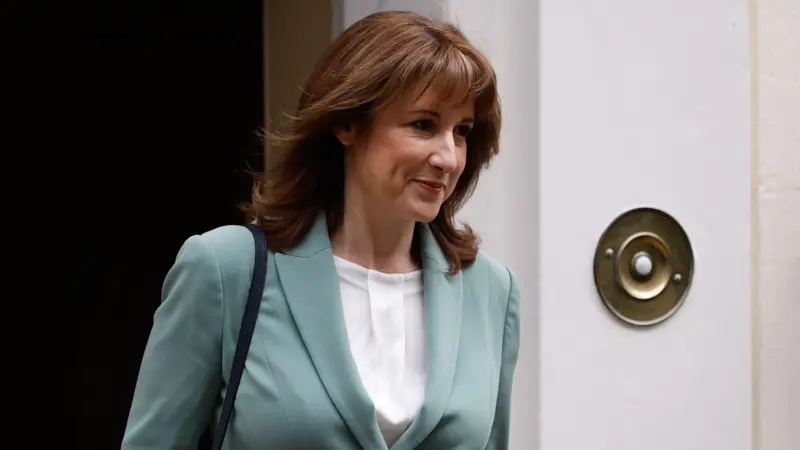
Finance Minister Rachel Reeves said earlier this month that the government was considering targeted support for lower income households facing higher energy costs. She indicated that ministers were examining measures that would have the biggest impact while remaining affordable for the public finances.
Particular attention has been given to households that rely on heating oil, many of which are in rural areas and are not protected by Britain’s domestic energy price cap. The government has already announced more than £50 million in support aimed at families struggling with soaring heating oil costs.
The move comes as analysts warn that Britain’s energy price cap could rise sharply again in July after wholesale gas and oil prices were pushed higher by the regional conflict. Cornwall Insight said the cap was forecast to rise by around 11%, increasing pressure on households already dealing with broader cost of living strains.
Prime Minister Keir Starmer has also been looking at the wider economic impact of the crisis, including whether regulators need stronger powers to deal with price gouging and profiteering in energy markets. That suggests the government’s response could combine direct household support with tougher scrutiny of suppliers and fuel pricing.
For now, ministers appear to be moving toward a more selective support package, with the next step expected to be a clearer explanation of the principles that would guide who gets help and how that support would be delivered.
