


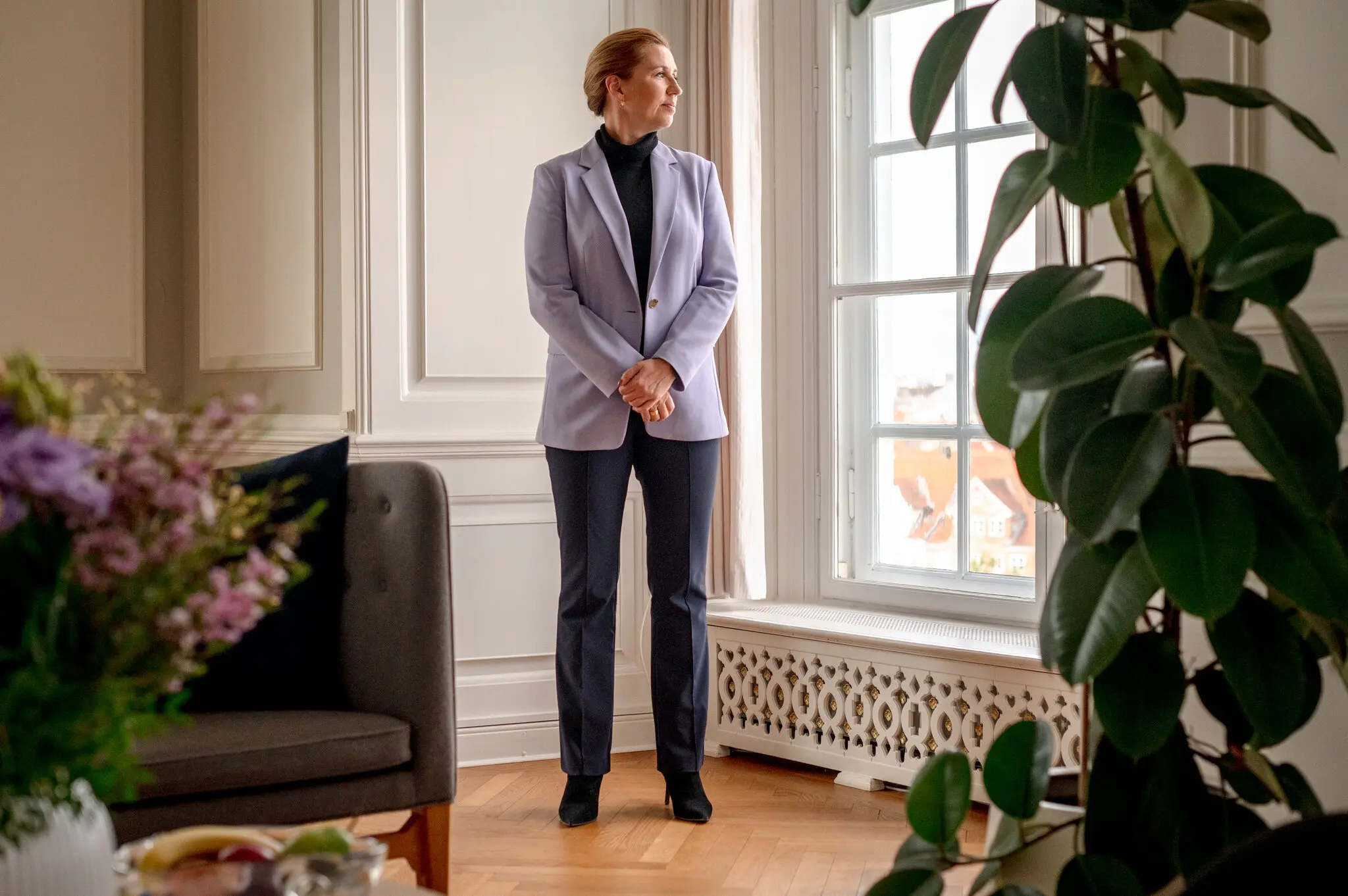
Danish Prime Minister Mette Frederiksen emerged from Denmark’s March 24 election as the leader of the largest party, keeping her in a strong position to try to form a new government after a campaign shaped in part by her response to Donald Trump’s pressure over Greenland. Her Social Democrats won 38 seats, down sharply from the previous election, but still finished ahead of rivals in a fragmented parliament.
Frederiksen’s firm stance on Greenland had boosted her international profile and helped steady support for her at home after a period of weak polling. During the campaign, Reuters reported that she benefited politically from tensions over Trump’s repeated push to seize or gain control over Greenland, even though domestic concerns such as inflation, immigration and the cost of living remained central to voters.
Even so, the result was far from a sweeping victory. Reuters described it as the Social Democrats’ worst election result since 1903, meaning Frederiksen now faces difficult coalition talks if she wants to remain prime minister for a third term. Neither the left nor the right secured a majority in the 179 seat parliament, leaving centrist parties and North Atlantic representatives likely to play an important role in what happens next.
Greenland itself was a major factor in the wider political picture. In the same election, Greenland’s pro independence Naleraq party won its first seat in Denmark’s parliament, a sign of growing frustration with the current relationship between Nuuk and Copenhagen at a moment of intense international attention on the Arctic island.
Frederiksen has said she will now explore possible coalition options after being asked by King Frederik X to try to form a government. While the election exposed voter dissatisfaction with several of her domestic policies, analysts cited by Reuters say she still has a realistic path to staying in office because her party remains the largest and the opposition is divided.
