


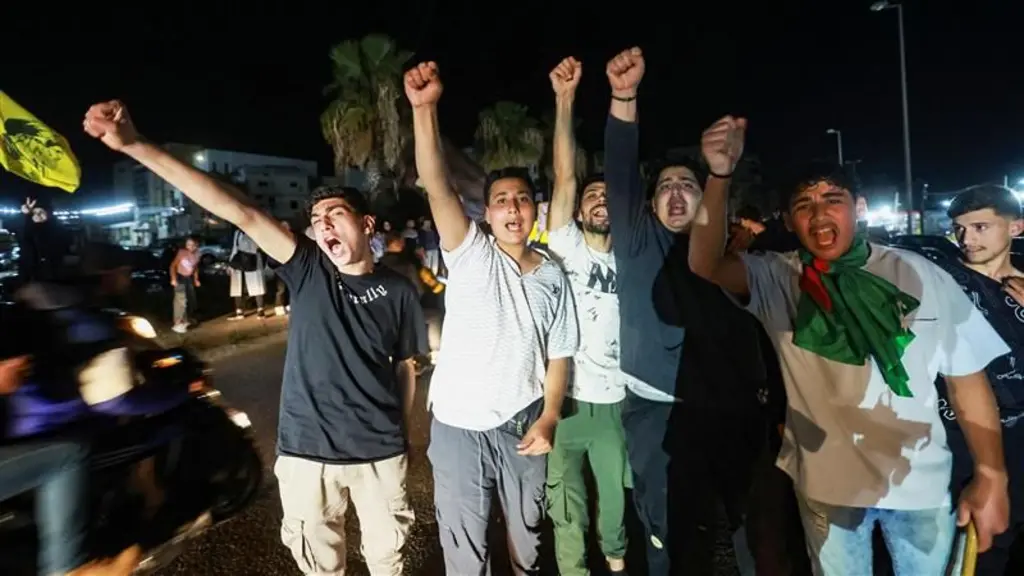
A 10 day ceasefire between Israel and Lebanon has officially taken effect, as President Donald Trump said the United States is “very close” to reaching a deal with Iran in talks aimed at ending the wider regional war. The truce began at 5 p.m. EST on Thursday and was brokered with US backing.
According to Reuters, the ceasefire is designed to create space for negotiations on a longer term peace and security arrangement between Israel and Lebanon. Under the deal, Lebanon’s government is to prevent armed groups such as Hezbollah from attacking Israel, while Lebanon’s security forces are affirmed as the sole authority over the country’s defense. Israel, meanwhile, says it retains the right to self defense but must avoid offensive operations in Lebanon during the truce.
Trump said the Lebanon ceasefire is part of a broader push to calm the region while diplomacy with Iran gathers pace. Reuters reported on Friday that Trump believes the war with Iran could end soon and that both sides may meet over the weekend to finalize a deal, with a memorandum of understanding expected before a wider agreement within 60 days.
Still, the situation remains fragile. Reuters reported that Hezbollah has warned that any ceasefire must not allow Israel freedom of movement inside Lebanon, and Lebanon has accused Israel of minor violations after the truce began. Those early tensions suggest the deal could come under pressure even as diplomatic momentum grows elsewhere.
Financial markets have responded cautiously to the latest developments. Oil prices fell on hopes that an Iran deal could ease regional tensions and eventually revive supply, although the Strait of Hormuz remains largely closed and continues to weigh on global energy flows.
For now, the ceasefire offers a rare opening for diplomacy in a conflict that has shaken the Middle East for weeks. But whether it becomes the start of a wider peace effort may depend on whether the US and Iran can turn “very close” into a signed agreement.
